
What education and training is required?
Bachelor’s degree in healthcare administration, social work, or a related field
Master’s degree (often preferred)
Experience in healthcare, insurance, or case management
Leadership and management experience
To prepare in high school:
Health sciences
Psychology or sociology
Business classes
Communication skills
Where can I work?
Insurance companies
Healthcare organizations
Government health agencies
Nonprofit health and human services organizations
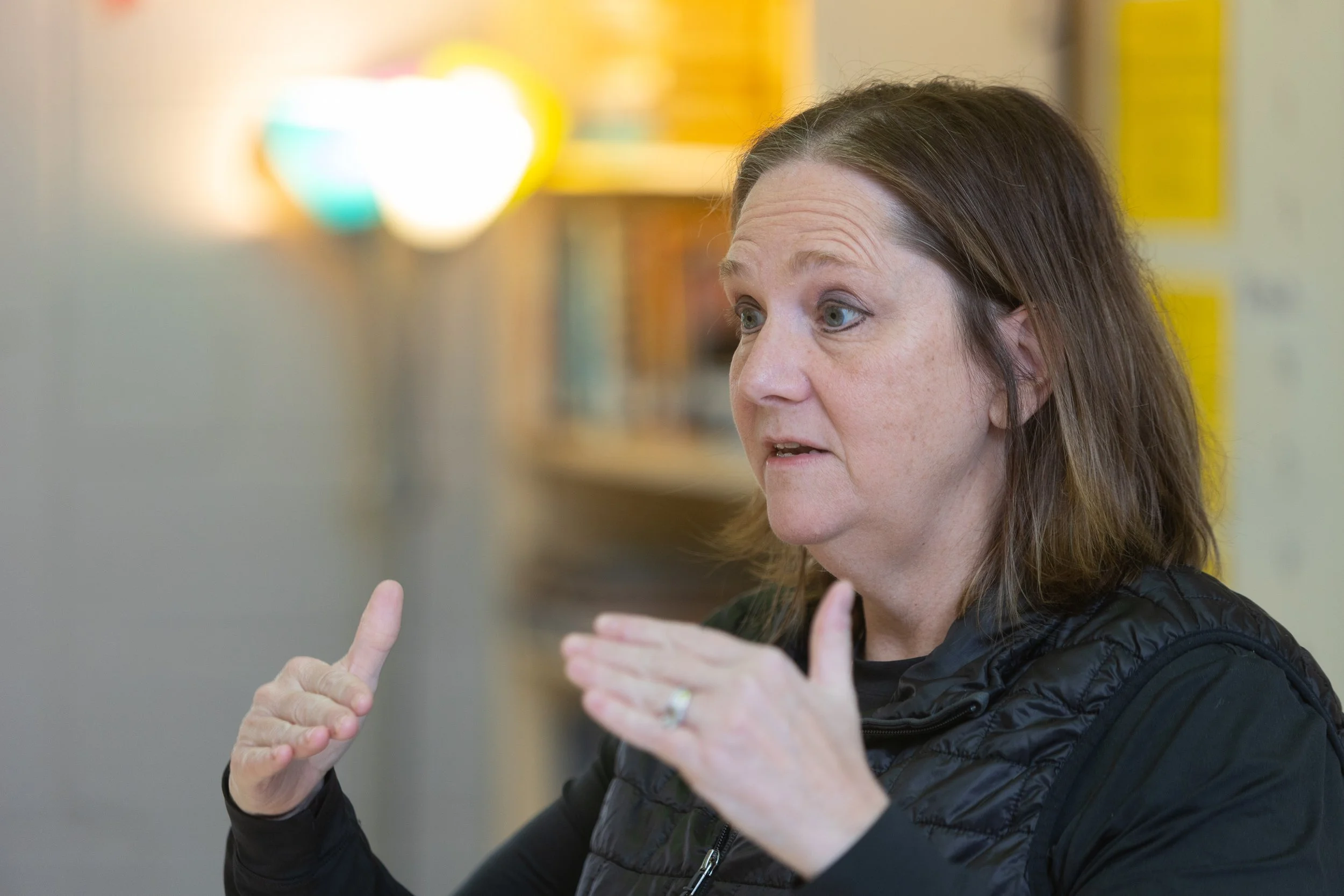
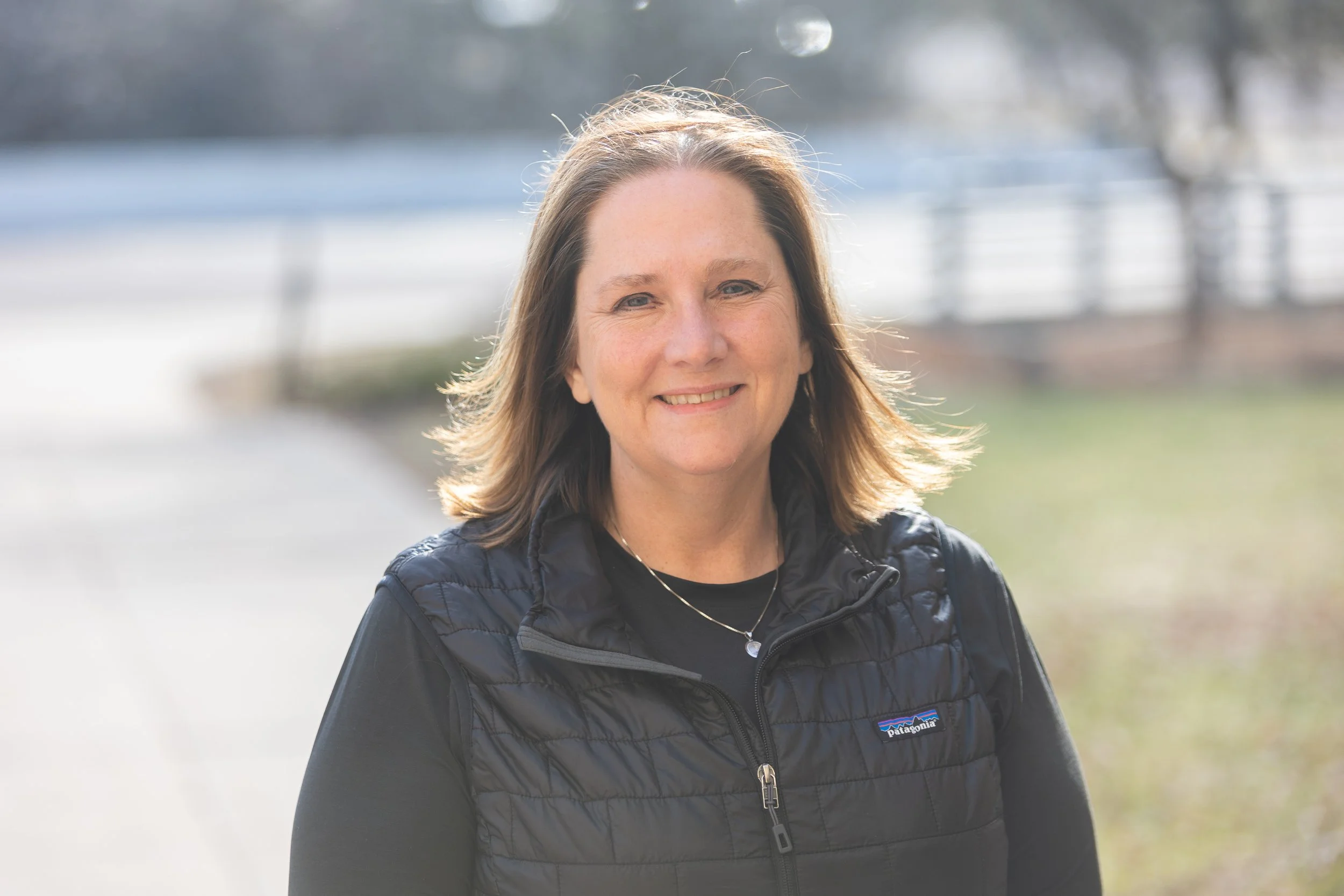
Helping people live healthier, more independent lives takes more than doctors and nurses. In this Cran Career Spotlight, we meet a Director of Long-Term Services & Supports (LTSS) in the insurance industry. This career combines leadership, problem-solving, and compassion to help ensure individuals and families can access the services and support they need to thrive.
For rural communities, careers like this play an important role in helping families access care and support close to home. Agricultural families, including cranberry growers, often balance the demands of work, caregiving, and healthcare needs across multiple generations. Professionals in Long-Term Services & Supports help connect people with resources, coordinate care, and strengthen the services that allow rural residents to remain active members of their communities. Their work helps improve quality of life and supports the well-being of families throughout Wisconsin and beyond.
Overview:
A Director of LTSS manages programs that support individuals who need long-term care services, often through insurance companies. While not directly on the farm, they play a key role in supporting workers and communities in industries like agriculture by ensuring access to healthcare and long-term support.
What responsibilities will I have:
Oversee long-term care programs and services
Manage teams and coordinate care systems
Ensure compliance with healthcare regulations
Develop policies and improve service delivery
Work with healthcare providers and insurance teams
Monitor budgets and program outcomes