

Cran Career Spotlight: Food Science
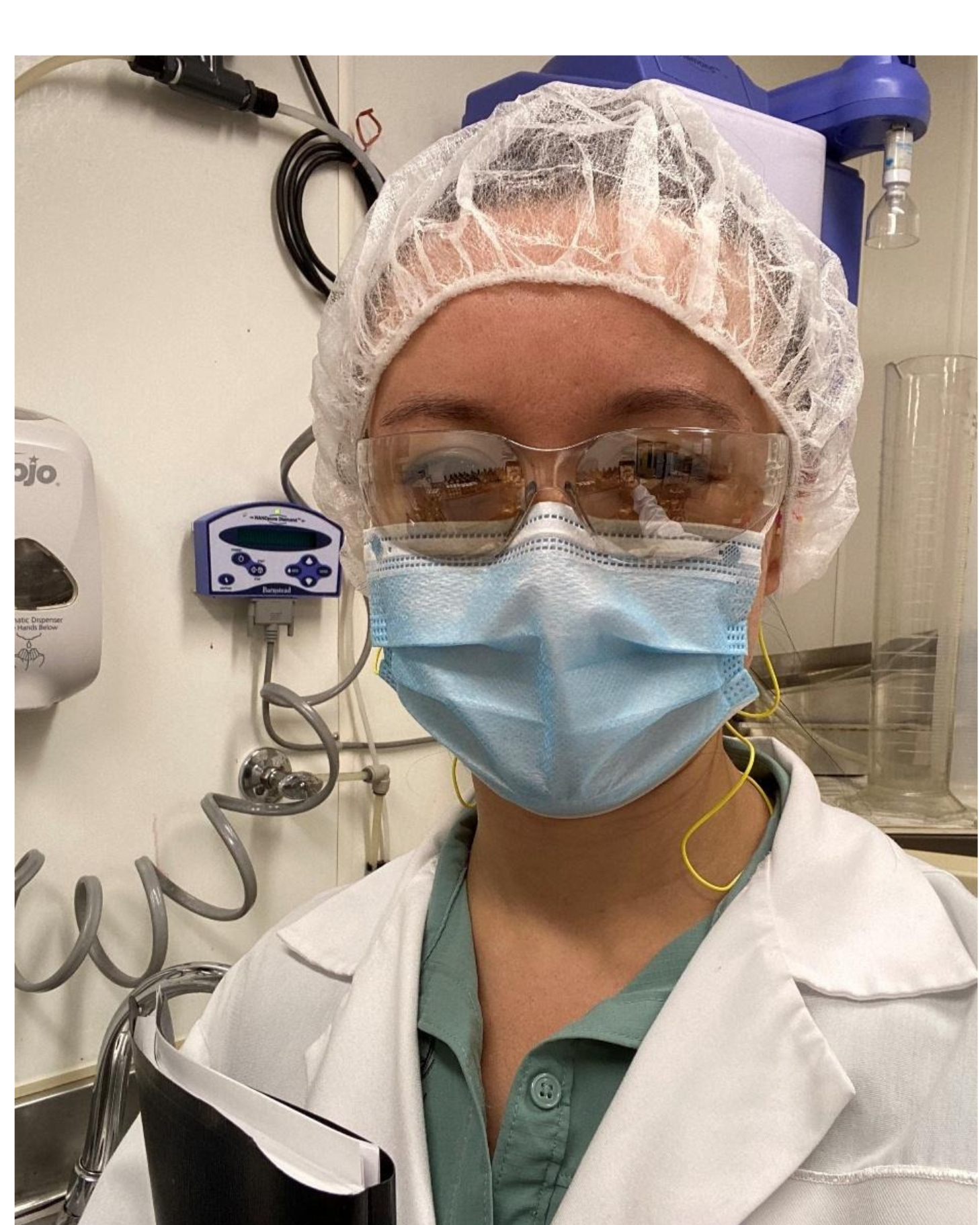
“Food Science is a thing?”
This is a question food scientist, Ahhria Kirkendall (pronounced “Ah-ri-uh”), gets asked a lot, and it’s a question she also had before becoming one.
A food scientist is responsible for understanding how to take raw food like potatoes, milk, and cranberries and turn them into finished products like chips, ice cream, and juice. To accomplish this, food scientists must be able to apply concepts like chemistry, microbiology, math, and culinary arts to create nutritious food and beverages. All around the world, food scientists like Ahhria Kirkendall from Washington state, research various food products to better understand how they can help feed communities and improve health. Ahhria is known for founding “The Cranberry Doctor,” a brand that provides free, accessible food science, nutrition, and microbiome education to all with special focus on cranberry nutrition from her graduate studies on cranberry products and women’s health. As a food scientist, there are many opportunities to specialize in even beyond this list of examples!
What Responsibilities Will I Have?
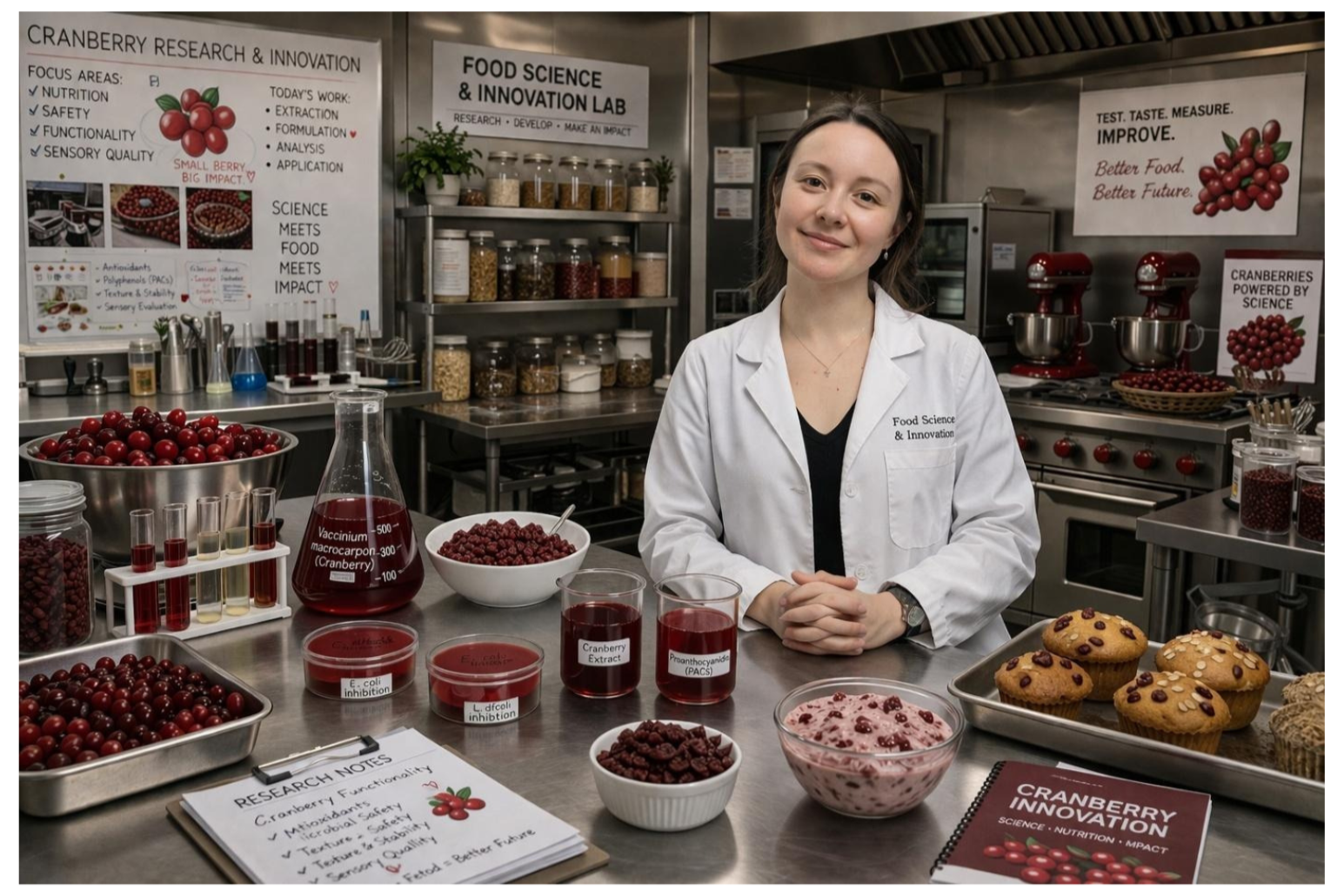
AI Generated Image
Test food products in a lab to ensure they are safe for eating by checking for biological, chemical, or physical hazards like bacteria, mold, or foreign objects like metal pieces
Test food products to ensure they meet quality expectations like texture, mouthfeel, flavor, aromas, and appearance i.e., crunchy chips, colorful candies, roasted peanut butter, tart and sweet cranberry juice, etc.
Designing new product packaging for marketing to consumers and creating nutrition labels that meet FDA requirements while educating consumers about the food they eat
Collaborating with other food scientists on researching and developing new products or improving existing products for better quality characteristics or nutrition components
Teach food science concepts like food safety, food quality, food law, sensory science, growing crops, or nutrition in higher education, farming, corporate companies, or governmental agencies
Supervise a team of technicians or scientists in a laboratory or manufacturing setting
Direct food policies across continents with a travel job that involves reading, writing, and auditing those policies
Attend food science, nutrition, microbiology, or health science conferences around the world and present your own research or learn from others
Prepare paperwork for FDA, state, or third-party inspections to meet certification requirements like organic, non-GMO, allergen-free, plant-based, food safety and quality, kosher, etc.
Defend or prosecute in cases involving foodborne illness, bioterrorism, or mislabeling
Engineer processing systems to improve product yield while maintaining food safety, quality, and nutrition
Contribute to women’s research in understanding how cranberry products influence the microbiome for health benefits!
What Education and Training Is Required?

A Bachelor’s degree in Food Science, Biological Sciences, Chemistry, Agriculture, Microbiology, Nutrition, or Engineering… the fun thing is that there is no one-size-fits-all approach to becoming a Food Scientist!
You can also pursue higher education with a Masters or PhD in Food Science
Hands-on experience in the food industry is highly encouraged like shadowing an organics inspector with your state’s department of agriculture or getting a part-time job at a restaurant as a line cook
Additional certifications are beneficial like a Food Safe Handler’s permit or becoming a Preventive Controls Qualified Individual (PCQI) in Human Food & Beverage—or even Pet Food & Animal Feed!
How to Prepare in High School:
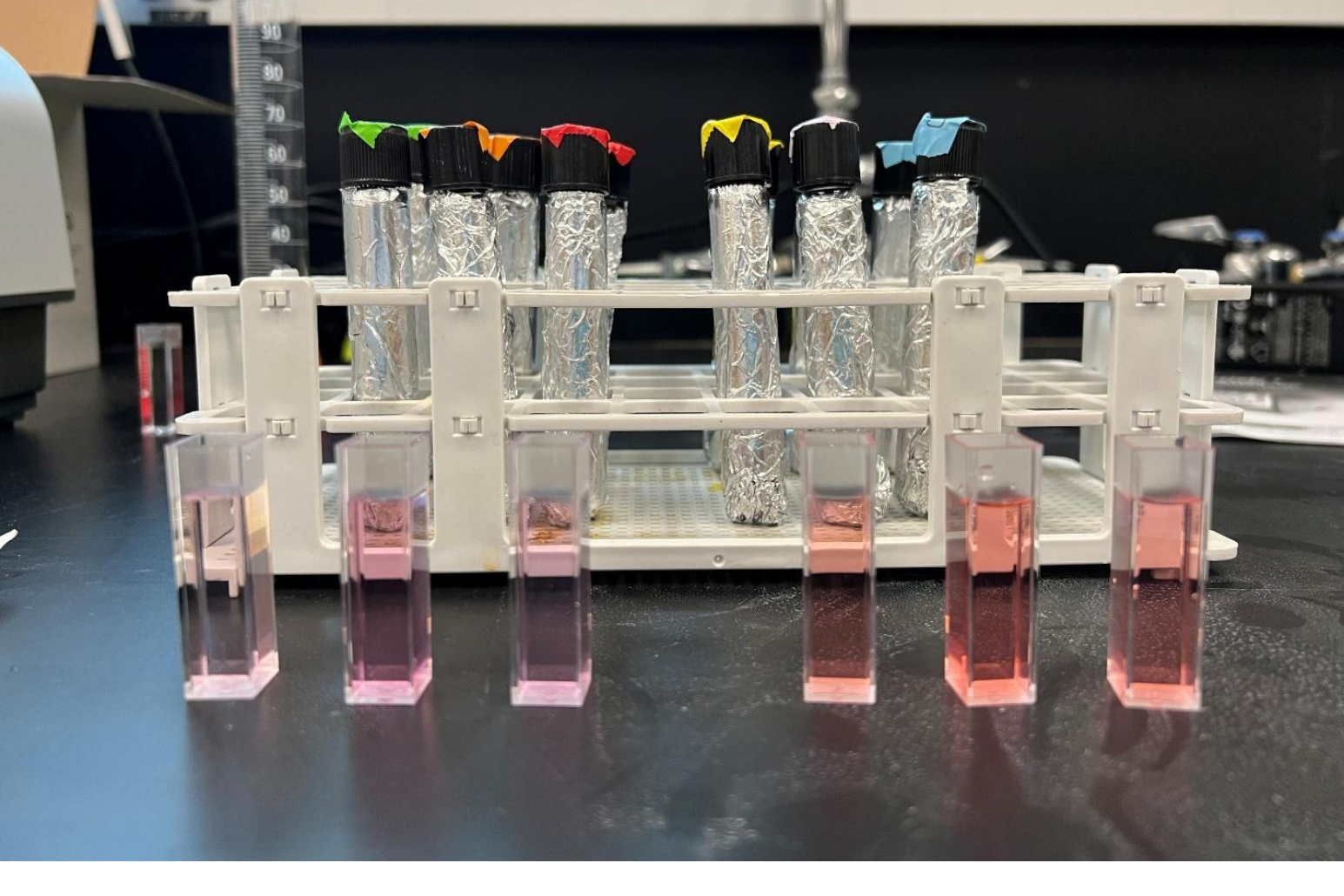
Recommended courses include but are not limited to:
Microbiology, biology, chemistry, and organic chemistry
Engineering and mathematics (statistics)
Business management and marketing
Food law, security, and politics
Nutrition, environmental science, and agriculture
Students interested in becoming food scientists can also find local nutritionists, food manufacturers, restaurants, farmers, colleges, and their state’s department of agriculture for shadowing opportunities.
Where Can I Work?
Food and beverage manufacturing or storage and distribution as a quality technician, production supervisor, sanitation manager, engineering director, or food safety vice president
Pet food, animal feed, and aquaculture as a food safety and quality specialist or production manager
Law firms as a food lawyer for food claims or foodborne illness cases
Research facilities with a university or company as a researcher, principal investigator, or lab director
Post-secondary institutions as an instructor, professor, or dean
Government agencies as an inspector, director, or technician
Farms as an agriculture specialist or consultant in commodities like cranberries!
If you would like to learn more about food science or cranberry health check out The Cranberry Doctor.